

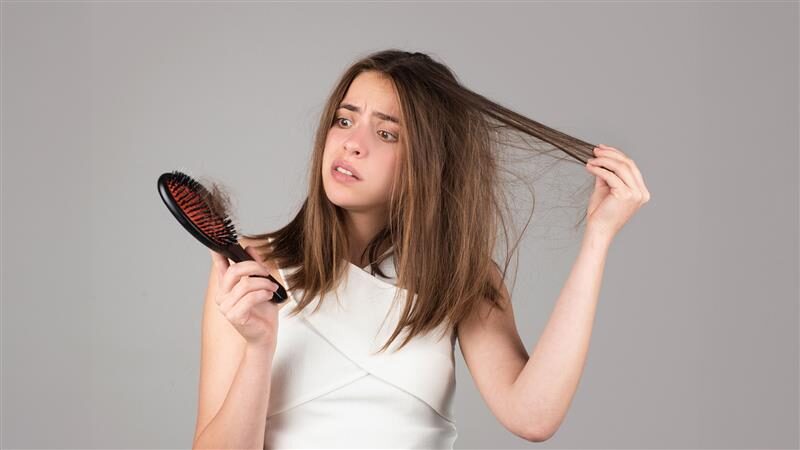
Hair Regrowth for Women: What the Evidence Actually Says
More than 75% of women experience hair thinning or loss at some point in their lives, yet female hair loss remains one of the most under-researched and under-discussed areas of women’s health. If you’ve noticed a widening part line, a thinner ponytail, or more hair in the shower drain, you’re far from alone. And there are real, evidence-backed options available.
This guide covers everything you need to know about hair regrowth for women: why female hair loss happens, how it differs from male pattern baldness, and — most importantly — which treatments are supported by clinical evidence and which ones aren’t. We’ll also cover why red light therapy is increasingly recognised as one of the most effective tools for women dealing with thinning hair, and where it fits in a complete treatment approach.
Whether you’re dealing with postpartum shedding, hormonal changes, stress-related loss, or age-related thinning, the right strategy depends on understanding what’s driving it. Let’s start there.
Why Women Lose Hair: The Most Common Causes
Common Causes: Hormones, Stress, Aging, Postpartum
Female hair loss is almost always multifactorial — meaning it’s rarely a single cause working in isolation. Understanding what’s driving your specific pattern of loss is the essential first step, because the right treatment depends entirely on the underlying mechanism.
Hormonal imbalances
Hormones are the most significant driver of female hair loss across all age groups. The key players are:
- DHT (dihydrotestosterone): An androgen hormone that binds to receptors in hair follicles and causes them to miniaturise over time, producing progressively finer and shorter hairs until the follicle becomes dormant. This is the mechanism behind female-pattern hair loss (androgenetic alopecia).
- Oestrogen and progesterone: These hormones support the hair growth phase (anagen). When they decline — around perimenopause and menopause — the anagen phase shortens and shedding increases. Women can lose up to 30% of scalp collagen in the five years following menopause, directly affecting the dermal matrix that anchors follicles.
- Thyroid hormones: Both hypothyroidism and hyperthyroidism can trigger diffuse hair shedding. If hair loss is sudden or accompanied by other symptoms (fatigue, weight changes), thyroid function is worth testing.
Telogen effluvium (stress-triggered shedding)
Telogen effluvium occurs when a significant physical or emotional stressor — surgery, illness, nutritional deficiency, extreme dieting, or chronic psychological stress — pushes a large proportion of follicles simultaneously into the resting (telogen) phase. The result is diffuse shedding that typically begins two to three months after the triggering event. Postpartum hair loss follows this same mechanism: the drop in oestrogen after delivery triggers a mass shift from growth to shedding phase.
The reassuring news: telogen effluvium is usually temporary. Shedding typically stabilises within six to nine months once the trigger is resolved. The less reassuring news: for women with underlying androgenetic alopecia, telogen effluvium can accelerate and unmask a pattern of loss that would otherwise have developed more slowly.
Nutritional deficiencies
Iron deficiency is the most common nutritional cause of hair thinning in women, particularly during reproductive years. Ferritin levels below 30 ng/mL have been associated with increased shedding even in the absence of clinical anaemia. Vitamin D, zinc, and biotin deficiencies can also contribute, though biotin supplementation is only effective if you are genuinely deficient — which most people are not.
Traction and physical damage
Tight hairstyles (braids, high ponytails, extensions) worn consistently over time can cause traction alopecia — a form of hair loss driven by repeated mechanical tension on the follicle. Unlike most other forms of female hair loss, traction alopecia is entirely preventable and largely reversible if caught early. Heat damage from flat irons and blow dryers causes structural damage to the hair shaft rather than follicle loss, but chronic heat stress can compound other forms of hair thinning.
How Female Hair Loss Differs from Male Pattern Baldness
Male pattern baldness (androgenetic alopecia in men) typically follows a predictable path: a receding hairline, followed by thinning at the crown, often progressing to significant baldness. This recognisable pattern is well known — which is part of why female hair loss is so frequently overlooked. It looks different, progresses differently, and often goes unrecognised until it becomes significant.
Female-pattern hair loss (FPHL) is characterised by diffuse thinning across the top and crown of the scalp, with the frontal hairline usually remaining intact. It is classified using the Ludwig scale:
Stage | What It Looks Like | What It Means |
Stage I | Slight thinning at the crown and top of the scalp. Part line may appear wider. | Early-stage. Often the best time to intervene — follicles are still active. |
Stage II | More noticeable thinning across the central scalp. Hairline remains intact. | Moderate. Hair follicles starting to miniaturise. Treatment urgency increases. |
Stage III | Widespread thinning across the top of the scalp with increased scalp visibility. | Advanced. Earlier and more consistent intervention typically needed. |
Women rarely progress to complete baldness. Instead, hair becomes progressively finer, shorter, and less dense across the central scalp — which is why it can be harder to notice in the early stages, and why action taken at Stage I or early Stage II typically produces the best outcomes.
Important: When to See a Doctor If hair loss is sudden, patchy (circular bald spots), or accompanied by scalp inflammation, itching, or systemic symptoms (fatigue, weight changes, irregular cycles), consult a GP or dermatologist before starting any treatment. A blood panel checking ferritin, thyroid function (TSH/T4), vitamin D, and androgen levels will identify any underlying cause that needs direct medical treatment. Female-pattern hair loss can be confirmed by a dermatologist or trichologist using dermoscopy. |
Female Hair Loss Treatments: Ranked by Evidence
Not all hair regrowth treatments are equal. Here is a clear-eyed overview of the options available, ranked by the strength of clinical evidence behind them:
Treatment | Evidence Level | Best For | Growell Offering |
Minoxidil (topical) | ★★★★★ Highest | Female-pattern hair loss, diffuse thinning | Topical formulations available — ask your provider |
Low-Level Light Therapy (LLLT) | ★★★★☆ Strong | Androgenetic alopecia, post-partum, stress shedding | Growell Caps red light therapy cap |
Oral minoxidil (low dose) | ★★★★☆ Strong | Women who don’t tolerate topical well | Prescription — consult GP/dermatologist |
Spironolactone | ★★★☆☆ Good | Hormonal/androgen-driven loss in women | Prescription only |
Platelet-Rich Plasma (PRP) | ★★★☆☆ Good | Various types of alopecia — clinic procedure | Complements at-home devices |
Biotin supplements | ★★☆☆☆ Limited | Only if genuinely deficient | Part of Growell supplement range |
Hair growth shampoos | ★★☆☆☆ Supportive | Scalp health maintenance, not primary treatment | Growell biotin-caffeine shampoo |
Collagen supplements | ★★★☆☆ Growing | Follicle structural support, scalp dermis health | Growell supplement range |
A note on minoxidil
Minoxidil is the only FDA-approved over-the-counter treatment for female hair loss. It works by prolonging the anagen (growth) phase of the hair cycle and increasing follicle size. The 5% foam formulation is the most commonly recommended for women. It works for approximately two in three women, with results typically visible after four to six months of consistent use — and it must be used continuously to maintain results.
Minoxidil is most effective for androgenetic alopecia and least effective for telogen effluvium (where removing the trigger is the primary intervention). It is available over the counter at pharmacies and online. For women who experience scalp irritation with topical minoxidil, low-dose oral minoxidil (typically 0.625–2.5mg daily) has emerged as an effective alternative — though this requires a prescription.
Low-Level Light Therapy (LLLT): the evidence
LLLT — also called red light therapy or photobiomodulation — uses specific wavelengths of red and near-infrared light (typically 630–660nm) to stimulate cellular activity in hair follicles. Unlike minoxidil, which works through the hair cycle, LLLT works directly at the mitochondrial level: red light energises the cells responsible for follicle health, increases blood flow to the scalp, and reduces the inflammation that can impair the hair growth cycle.
93% of participants in a clinical LLLT study showed improved hair count after 26 weeks — with no adverse effects reported (Lanzafame et al., Journal of Clinical and Aesthetic Dermatology)
Multiple randomised controlled trials have confirmed statistically significant improvements in hair count, density, and shaft diameter in women with androgenetic alopecia following consistent LLLT use. Importantly, LLLT is safe to combine with minoxidil and other treatments — making it an effective component of a multi-modal approach rather than an either/or choice.
The Growell Caps device delivers FDA-cleared LLLT at clinical wavelengths directly to the scalp, designed for use at home in 20-minute sessions three to four times per week. For women who want a non-pharmaceutical, hormone-safe option — or who want to enhance the results of minoxidil — it is one of the strongest evidence-backed choices available.
Building Your Hair Regrowth Routine: A Practical Framework
The most effective approach to female hair loss combines a primary clinical treatment (minoxidil and/or LLLT) with consistent supporting habits. Here is how to structure it:
Step 1: Address the root cause first
Before spending money on products, rule out or address underlying causes. Get blood work done if you haven’t already (ferritin, thyroid, vitamin D, androgens). If you’re postpartum, give it time — most shedding resolves naturally by month six to nine. If it’s stress-triggered, the intervention is stress, not just hair products.
Step 2: Choose your primary treatment
For androgenetic alopecia and persistent thinning, choose at least one evidence-backed primary treatment: oral or topical minoxidil, or LLLT (or both — they work synergistically). Everything else is supporting, not primary. Managing expectations here matters: consistent use for a minimum of four to six months is required before assessing whether a treatment is working.
Step 3: Optimise your scalp environment
- Shampoo: Use a gentle, sulphate-free formula with active scalp ingredients — caffeine (prolongs the anagen phase), biotin (supports keratin production), and DHT-blocking plant extracts like saw palmetto. The Growell biotin-caffeine shampoo is formulated for this purpose. Wash three to four times per week — not daily, which strips natural oils.
- Conditioner: Essential for thinning hair, not optional. Look for amino acids (strengthen the hair shaft), panthenol/Vitamin B5 (hydration and elasticity), and lightweight plant oils. Apply to mid-lengths and ends, not the scalp.
- Scalp massage: Five minutes of firm fingertip or silicone brush massage daily has clinical support for improving scalp circulation and hair thickness over time. It costs nothing and compounds with other treatments.
- Heat protection: Reduce heat styling frequency and always use a thermal protectant. Opt for infrared or ionic dryer technology where possible — the Growell hair dryer uses infrared heat that dries at lower temperatures with significantly less structural damage to the hair shaft.
Step 4: Internal support
Hair grows from within, and nutritional deficiencies are a direct impediment to regrowth regardless of what you apply topically. Prioritise:
- Protein: Hair is keratin — a protein. Aim for 1.2–1.6g of protein per kg of bodyweight daily.
- Iron and ferritin: Critical for women, especially those who menstruate. Red meat, leafy greens, legumes, or a supplement if blood work confirms deficiency.
- Vitamin D: Deficiency is extremely common in the UK and is directly associated with hair shedding. Supplement through the autumn and winter months at minimum.
- Omega-3 fatty acids: Anti-inflammatory — reducing scalp inflammation is beneficial for follicle health in multiple types of hair loss.
- Collagen peptides: Support the dermal matrix surrounding hair follicles and provide glycine and proline — amino acids needed for keratin production. See our guide to collagen and hair loss for more detail.
Step 5: Consistency over intensity
The single biggest predictor of hair regrowth outcomes is consistency. Four months of daily minoxidil and three-times-weekly LLLT sessions outperforms any amount of expensive product used sporadically. Set a routine, use a tracker, and photograph your scalp monthly in the same lighting conditions — progress with hair regrowth is slow enough that without comparison photos it can feel like nothing is changing when it actually is.
Why Women Need Different Formulations to Men
Many of the most effective hair loss treatments were originally developed and tested on men. This creates two practical problems for women:
- Dosage: Standard finasteride (Propecia), for example, is not recommended for women of childbearing age due to the risk of hormonal effects. Women who are candidates for finasteride (typically post-menopausal) require specialist guidance and a different dosing approach.
- Formula safety: Products containing strong androgens, harsh sulphates, or parabens can disrupt the hormonal environment that affects hair growth in women. Female-specific formulations are not just marketing — they reflect genuinely different safety and efficacy requirements.
Final Thoughts
Hair regrowth for women is not a matter of luck or genetics alone. The right combination of primary treatment, scalp support, and internal nutrition — applied consistently over time — produces real, measurable results for the vast majority of women with androgenetic alopecia or persistent thinning.
The most important step is starting early. The longer follicles remain dormant, the harder they are to reactivate. Whatever the cause of your hair thinning, acting now gives you the best chance of meaningful regrowth.
Explore the Growell complete system for women — combining FDA-cleared red light therapy, hormone-safe haircare, and targeted supplementation into one evidence-led approach to hair regrowth.
When evaluating any hair regrowth product, look for: no androgenic compounds, no sulphates or parabens in scalp-contact products, transparent ingredient lists with clinical backing, and ideally, clinical studies that include or focus on female participants.
Start Your Hair Regrowth Journey with Growell Caps
FDA-cleared red light therapy + hormone-safe haircare, designed specifically for women.